
What Is Hysterosalpingography (HSG)?
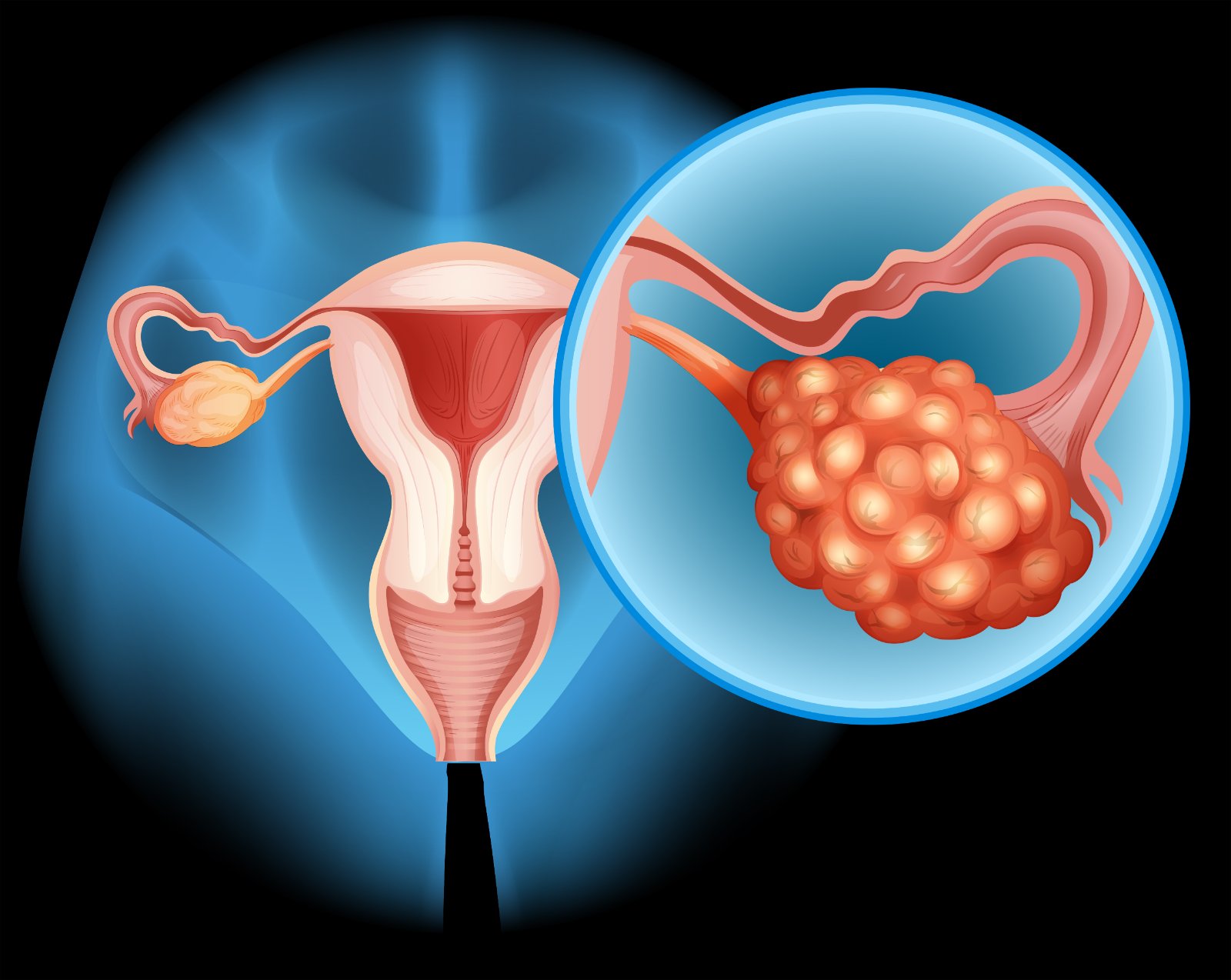
Hysterosalpingography (HSG) is a special X-ray test. It checks the inside of a woman’s uterus and fallopian tubes. Doctors often use HSG to look for problems that may affect fertility. For example, it can show if the tubes are blocked or if the uterus has an unusual shape. Because HSG is simple and quick, many women have it as part of a fertility checkup.
Why Is HSG Performed?
Doctors recommend HSG for several reasons. Most often, it helps find the cause of trouble getting pregnant. Sometimes, it checks for blockages or scars in the fallopian tubes. In other cases, it looks for growths or shapes in the uterus that may cause issues. Additionally, HSG can help after certain surgeries to see if the tubes are open.
How to Prepare for HSG
Proper preparation makes the HSG test easier. Usually, doctors schedule HSG after your period but before ovulation. This timing lowers the chance of testing during early pregnancy. Before the test, your doctor may suggest pain medicine to reduce discomfort. Also, you may need to avoid sex for a few days before the test. Importantly, tell your doctor if you have allergies, especially to iodine or contrast dye.
Step-by-Step Overview of the HSG Procedure
Knowing what happens during HSG can help you feel calm. Here is a simple step-by-step guide:
The whole process usually takes less than 30 minutes. Most women can go home soon after the test.
Benefits and Risks of HSG
HSG offers many benefits, especially for women facing fertility issues. For instance, it gives clear images of the uterus and tubes. This helps doctors find problems quickly. However, like any test, HSG has some risks. Most women have only mild side effects, but it is good to know what to expect.
According to the CDC, serious problems from HSG are very rare. Most women recover quickly.
What to Expect Before, During, and After HSG
Before the Test
Before HSG, your doctor will explain the steps. You may be asked to sign a consent form. Often, you will take pain medicine about an hour before the test. Remember to tell your doctor about any allergies or health problems.
During the Test
During HSG, you may feel mild discomfort or cramping. The dye may cause a warm feeling. However, the test is usually quick. Most women find the pain goes away soon after the test ends.
After the Test
After HSG, you may have light spotting or mild cramps. These symptoms usually last less than a day. You can return to normal activities soon. But if you have heavy bleeding, fever, or severe pain, contact your doctor right away.
Frequently Asked Questions About HSG
When to Consult a Doctor
If you are having trouble getting pregnant, talk to your doctor about HSG. Also, if you have repeated miscarriages or unusual periods, this test may help. After HSG, contact your doctor if you have heavy bleeding, fever, or severe pain. Early care can prevent problems and help you get the right treatment.
In conclusion, Hysterosalpingography (HSG) is a safe and valuable diagnostic test that helps identify possible causes of infertility and guides appropriate treatment planning. It plays an important role in understanding fallopian tube health and uterine conditions.
For accurate evaluation and personalized guidance, consult WeCare Diagnostics And Polyclinic to learn more about HSG and receive expert support tailored to your fertility concerns.