
Fetal Growth Restriction & Growth Scans: What Every Parent Should Know

Introduction to Fetal Growth Restriction (FGR)

Fetal growth restriction, also called FGR, happens when a baby does not grow as expected during pregnancy. Early detection of FGR is important for both the baby’s and mother’s health. Because FGR can lead to health problems, doctors use FGR growth scans and other tests to monitor the baby’s development. Understanding FGR helps parents make informed choices during pregnancy.

Common Symptoms and Warning Signs

Often, FGR does not cause clear symptoms. However, some warning signs may appear. For example, you might notice:

  • Less movement from the baby than usual
  • A smaller belly size than expected for your stage of pregnancy
  • Slow weight gain during pregnancy
  • Still, many women do not notice any signs. Therefore, regular check-ups and pregnancy growth scans are key for detecting FGR early.

    Causes and Risk Factors of FGR

    Several factors can cause fetal growth restriction. Some common causes and risk factors include:

  • Problems with the placenta, which supplies food and oxygen to the baby
  • High blood pressure or preeclampsia in the mother
  • Chronic health conditions like diabetes or kidney disease
  • Smoking, alcohol, or drug use during pregnancy
  • Multiple pregnancies (twins or more)
  • Infections during pregnancy
  • Low levels of amniotic fluid
  • Genetic or birth defects
  • Because some risks can be managed, knowing them helps parents and doctors take action early.

    The Role of Radiology and Growth Scans in Diagnosis

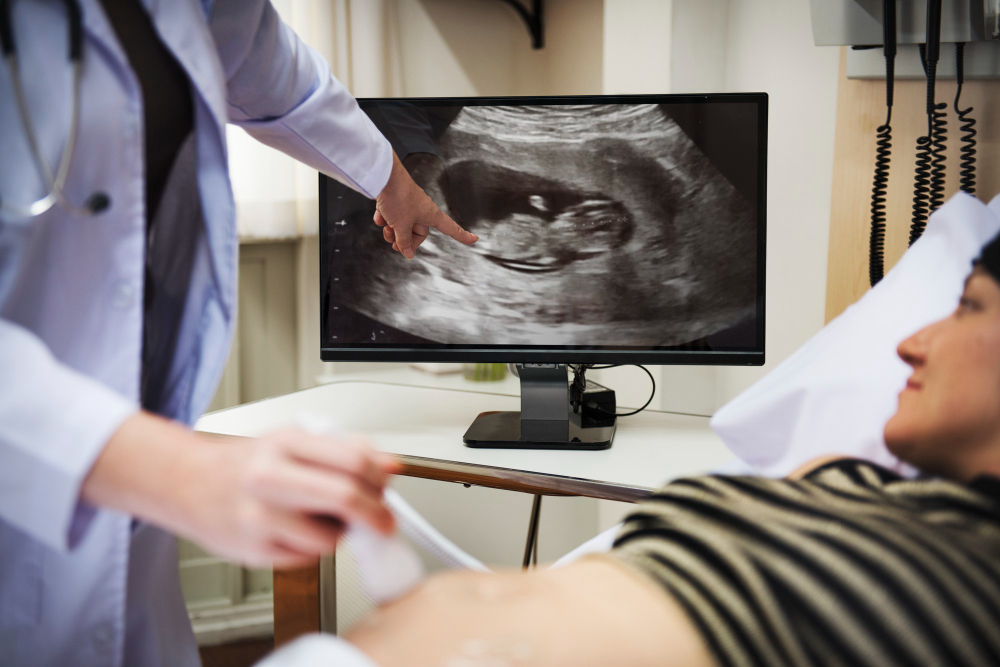
    Doctors use radiology, especially ultrasound for FGR, to check the baby’s growth. Growth scans help measure the baby’s size, weight, and blood flow. In fact, these scans are the main way to detect FGR early. If a doctor suspects FGR, they may order more frequent pregnancy growth scans to watch the baby’s progress.

    How Growth Scans Are Performed (Step-by-Step)

    Growth scans are safe and painless. Here is how a typical FGR growth scan works:

  • First, you lie down on an exam table.
  • Next, a gel is placed on your belly. This helps the ultrasound device move smoothly.
  • Then, the technician moves a small probe over your skin. This sends sound waves into your body.
  • The sound waves create pictures of your baby on a screen.
  • The doctor measures the baby’s head, belly, and legs. They also check the amount of amniotic fluid and blood flow in the umbilical cord.
  • Finally, the doctor reviews the results and explains them to you.
  • Because growth scans use sound waves, they do not harm you or your baby.

    Treatment Options and Monitoring

    If FGR is found, your doctor will suggest a plan. Treatment depends on how severe the growth restriction is. Common steps include:

  • More frequent growth scans and check-ups
  • Monitoring the baby’s heart rate
  • Managing any health problems in the mother, like high blood pressure
  • Sometimes, early delivery if the baby’s health is at risk
  • With close monitoring, many babies with FGR can be delivered safely. However, every case is different, so your doctor will guide you.

    Lifestyle Tips and Prevention Strategies for Expectant Parents

    Although not all cases of FGR can be prevented, you can lower your risk with healthy habits. For example:

  • Attend all prenatal visits and follow your doctor’s advice
  • Eat a balanced diet with enough vitamins and minerals
  • Avoid smoking, alcohol, and drugs
  • Manage chronic health conditions, such as diabetes or high blood pressure
  • Get enough rest and reduce stress
  • Report any changes in your baby’s movements to your doctor
  • Because early action makes a difference, these steps help keep you and your baby healthy.

    Frequently Asked Questions About FGR and Growth Scans

  • Is FGR common? About 5-10% of pregnancies are affected, according to the World Health Organization.
  • Are growth scans safe? Yes, ultrasound for FGR is safe for both mother and baby.
  • Can FGR be cured? While FGR cannot always be reversed, close monitoring and care can improve outcomes.
  • How often will I need growth scans? Your doctor will decide based on your baby’s needs. Sometimes, scans are done every 2-4 weeks.
  • What happens if my baby has FGR? Your doctor will watch your baby’s growth closely and may suggest early delivery if needed.
  • For more information, consult at WeCare Diagnostics And Polyclinic for personalized advice on fetal growth and pregnancy monitoring.